
Oceanside Construction Site Accidents And Off-Duty Military Personnel


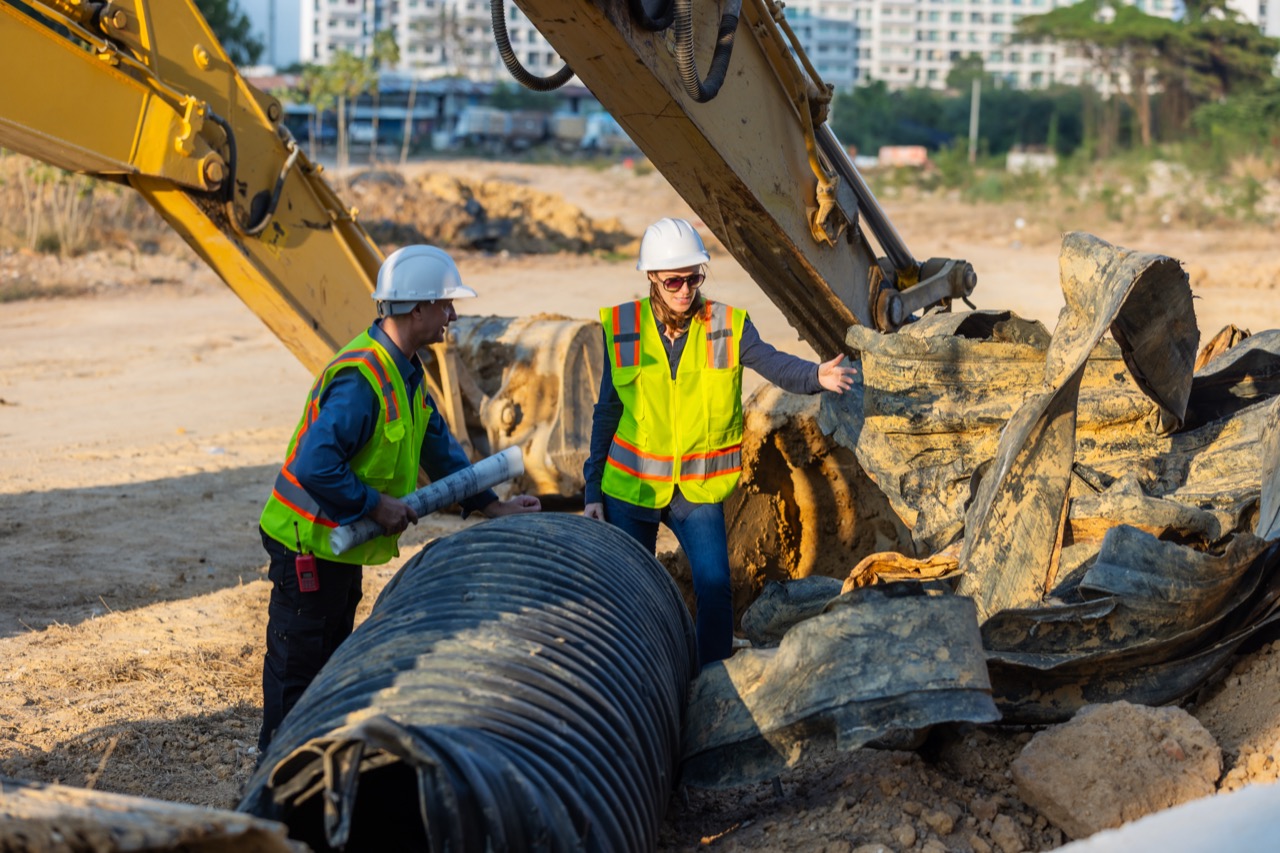
Oceanside is always building. New housing, road work, and base-adjacent projects can change traffic patterns and walking routes overnight. For off-duty service members and military families, that matters because construction zones are not just workplace hazards. They can be hazards on the way home, during errands, or while moving around town, and the evidence that proves what went wrong can disappear fast once the site changes.
If you are looking for an Orange County construction accident lawyer, the Law Office of William Bruzzo can help identify who controlled the risk and preserve proof early with the support of an attorney who understands how off-duty injuries can affect service life.
Why Construction Site Injuries Hit Off-Duty Service Members Differently
If you are active duty, recovery can collide with profiles, PT restrictions, training schedules, and readiness expectations. Even when the accident happens off base, the consequences can spill into military life. That is why we focus early on documentation that connects your physical limits to real functional impacts, including career-related losses when they are supported by the record, like military career impact damages.
It also helps to remember that “off duty” does not always mean “off the hook” for liability. Many construction-related injuries happen when someone is simply passing through a poorly controlled work zone, parking near an active jobsite, or walking along a sidewalk that was never properly protected. When a site creates a hazard for the public, the fact that you were not employed there does not automatically excuse the companies controlling the area.
The Most Common Construction Accidents We See Around Oceanside
Construction injuries can involve workers, pedestrians, drivers, delivery workers, and nearby residents. Common scenarios include:
- Falls from ladders, scaffolds, roof edges, or temporary stairs
- Struck-by injuries from falling tools, debris, or moving equipment
- Slip-and-fall injuries caused by uneven ground, loose materials, cords, or poor lighting
- Trench and excavation hazards, including unstable edges and unmarked drop-offs
- Electrical injuries from exposed wiring or temporary power setups
- Vehicle impacts in or near work zones, including poor traffic control
When the injury happens off duty, the same problem shows up: the jobsite changes, crews rotate, and what was obvious that day becomes harder to prove later.
Liability Is Often Shared Across Multiple Companies
A construction claim is rarely as simple as suing “the construction company.” A site may involve layers of responsibility, and liability often turns on who controlled the area and who created the hazard.
Potentially responsible parties may include:
- A general contractor coordinating sitewide safety and access
- A subcontractor that created the specific hazard
- A property owner that allowed unsafe conditions to continue
- An equipment manufacturer if a tool or machine failed
- A third party driver or vendor operating near the site
Identifying the right parties early matters because it affects insurance coverage, evidence sources, and the strategy for proving fault. It also helps prevent the finger-pointing that often happens when multiple insurers get involved and each one tries to push responsibility elsewhere.
Why Safety Rules Matter Even If You Weren’t Working The Site
Construction is heavily regulated, and those rules often create paper trails. That does not automatically prove negligence, but it can point to what the site should have done and what records may exist.
Fall hazards are one of the most common causes of severe injury, which is why OSHA construction fall protection guidance reflects how safety planning, barriers, and protective systems are expected to be handled.
In real cases, the most valuable records are often mundane: daily reports, inspection notes, safety meeting sign-ins, and photos taken for progress updates. Those details can show whether a hazard was predictable and whether the site followed basic safety steps.
The Evidence That Disappears First In Construction Cases
Construction environments are temporary. If you wait too long, the best proof can be removed, repaired, or covered. Evidence that often matters includes:
- Incident reports, daily logs, and safety meeting documentation
- Who controlled the area where the injury happened (scopes of work can matter)
- Photos showing warnings, barriers, lighting, and access points
- Witness statements, especially from workers who may rotate off the job quickly
- Video from nearby businesses or site security
- Equipment inspection and maintenance history if machinery played a role
Even if you were not employed on the job, this is still a proof race. If you were injured near an active site, it is common for the defense to argue the hazard was “open and obvious” or that proper warnings existed. Photos and site documentation are often the fastest way to confirm what was really there.
How Off-Duty Status And Military Scheduling Affect The Claim
Military life can make injuries harder to describe cleanly because you are juggling obligations while trying to heal. That is one reason recorded statements and rushed conversations with insurers can backfire. Downplaying symptoms or giving an imprecise timeline can be used later to challenge your credibility.
It also matters that service members sometimes try to “push through” pain to stay on track, especially early. That can create gaps in treatment or make the injury look less serious on paper than it actually is. Building a claim file that matches the reality of your limitations often requires careful medical documentation and consistent descriptions of what you cannot do now that you could do before.
If your construction-zone injury overlaps with base-adjacent housing or areas maintained in a military setting, the same evidence issues often appear in premises cases, including notice, repair history, and documentation. That framework comes up often in on-base housing injury claims.
What Compensation Can Include After A Serious Construction Injury
Construction injuries can involve fractures, head injuries, back injuries, or nerve damage that affects daily life. Compensation in a civil claim may include:
- Medical expenses and future care needs
- Lost income and reduced earning capacity
- Pain, physical limits, and loss of normal activities
- Out-of-pocket costs tied to the injury and recovery
For service members, the damages discussion can also include documentable impacts on the ability to perform usual duties or maintain a normal work path, but the key is tying those issues to medical and functional proof, not assumptions.
Talk With An Oceanside Personal Injury Attorney After A Construction Site Injury
If you suffered an injury in or around a construction zone in Oceanside, you should not have to guess who is responsible or hope evidence still exists later. Contact us online for a free consultation.
At the Law Office of William Bruzzo, we will identify potentially responsible parties, preserve time-sensitive evidence, and pursue compensation that reflects the full impact of your injuries, including the ways recovery can affect military life. If you are looking for an Orange County construction accident lawyer, we are ready to help you take the next step.