How Temporary Duty Assignments Affect Where You Can File a Personal Injury Lawsuit in California



Temporary Duty assignments pull service members away from their home installation on short notice, sometimes for weeks or months at a time. When an accident happens during TDY, the question of where to file a lawsuit is not as simple as it might seem. Jurisdiction, residency, and which state’s law applies can all be in play at once. At the Law Office of William Bruzzo, our Orange County personal injury lawyer has worked with service members who faced these exact questions after a TDY-related injury. If you suffered an injury during a TDY, call us to understand your options.
What Is a Temporary Duty Assignment (TDY) and How Does It Affect Legal Residency?
A Temporary Duty assignment, often called TDY or TAD depending on the branch, sends a service member to a different location for a specific purpose for a defined period. Unlike a Permanent Change of Station move, TDY does not change a service member’s legal domicile or home of record. A Marine stationed at Camp Pendleton who travels to Virginia for two months of TDY training remains legally domiciled in California for most purposes.
This distinction matters for personal injury claims. Legal residency affects which state’s courts have a connection to you as a plaintiff and may influence venue options. But it is not the only factor, and in many cases, it is not the most important one. Where the accident occurred, where the defendant is located, and where your ongoing medical treatment is happening all factor into the jurisdictional analysis.
Which State Has Jurisdiction Over Your Personal Injury Claim?
In most personal injury cases, jurisdiction follows the accident. If you suffered an injury in California, California courts generally have the authority to hear your claim. If you suffered an injury in another state while on TDY, that state’s courts are the primary forum, and that state’s law will typically govern the substantive issues of fault and damages.
However, there are situations where filing in California makes sense even if the accident happened elsewhere. If the defendant is a California resident or corporation, if substantial case activity is connected to California, or if your ongoing medical treatment is being provided at a California military facility, California courts may have jurisdiction under California Code of Civil Procedure Section 410.10, the state’s long-arm statute.
Filing in the wrong state is not just a procedural inconvenience. It can result in dismissal or in the application of a different state’s law that is less favorable to your claim. Getting jurisdiction right from the start matters, and it is one of the first issues a personal injury attorney should address in a TDY-related case.
Jurisdiction When You Are Injured in California During TDY
If you are on TDY in California and suffered an injury here, California courts will generally have jurisdiction regardless of where you are permanently stationed. California’s courts have authority over injuries that occur within the state, and your temporary presence does not reduce that authority.
The bigger question is often practical: will you still be in California when the litigation is active, or will TDY orders have sent you somewhere else? Discovery, depositions, and potentially trial all require your participation, at least to some degree. Remote participation is increasingly accepted, but it is not always available in every court and for every proceeding.
Our team handles these logistics for military clients. If you suffered an injury in California during TDY, your personal injury claim can proceed even if you are subsequently reassigned. The procedural challenges that arise when PCS orders arrive while a personal injury case is pending are something most civilian attorneys have never encountered, and they require proactive case management from the start.
Protecting Witnesses Before TDY Orders Move Them
One practical step we take early in TDY cases is to identify all witnesses while they are still accessible. Military witnesses present at the time of the accident may themselves be reassigned, deployed, or discharged before the case reaches discovery. Locking in witness statements and contact information as early as possible protects the evidentiary foundation of the claim, regardless of where TDY orders eventually take everyone involved.
How the Statute of Limitations Applies to TDY-Related Injury Claims
Under California Code of Civil Procedure Section 335.1, the deadline for filing most personal injury lawsuits is two years from the date of injury. That clock starts on the date of the injury, not the date you return from TDY, not the date you report the accident to your command, and not the date your treatment ends.
The Servicemembers Civil Relief Act includes provisions that may toll, or pause, certain civil deadlines during periods of active military service, but these protections are not absolute and do not apply automatically to every type of claim. Whether SCRA tolling applies to your specific situation depends on the nature of the claim, how it is filed, and whether you affirmatively invoke the protection. Assuming it applies without confirming is a risk that can cost you your case.
If the accident happened in another state during TDY, that state’s statute of limitations applies, and it may be shorter than California’s two-year rule. Some states allow as little as one year to file. Waiting until you return from TDY to consult an attorney is a risk you should not take.
Speak With a Lawyer About Filing a Personal Injury Lawsuit After a TDY Accident
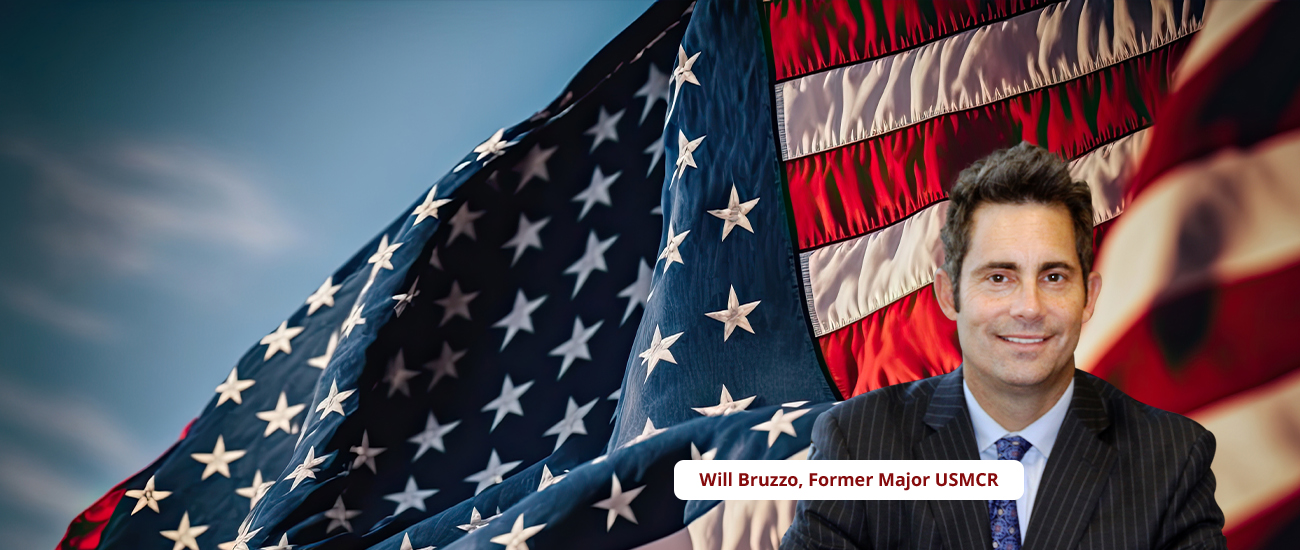
TDY assignments add real complications to what might otherwise be a clear-cut injury claim. At the Law Office of William Bruzzo, our Orange County personal injury lawyer handles cases for service members dealing with the intersection of military life and California civil law. Will Bruzzo’s background as a former Marine Corps Major means our team approaches these cases with a firsthand understanding of how military service affects every part of a civil claim. We represent clients on a contingency fee basis, so there are no upfront legal fees or costs.
Contact us online for a free consultation. Our personal injury attorney will identify where and how to file your claim, protect your deadline, and pursue full compensation for everything you have lost. Call us at 760-307-4233. El Abogado Habla Español.