
How Base Access Restrictions Complicate Evidence Collection After an Accident


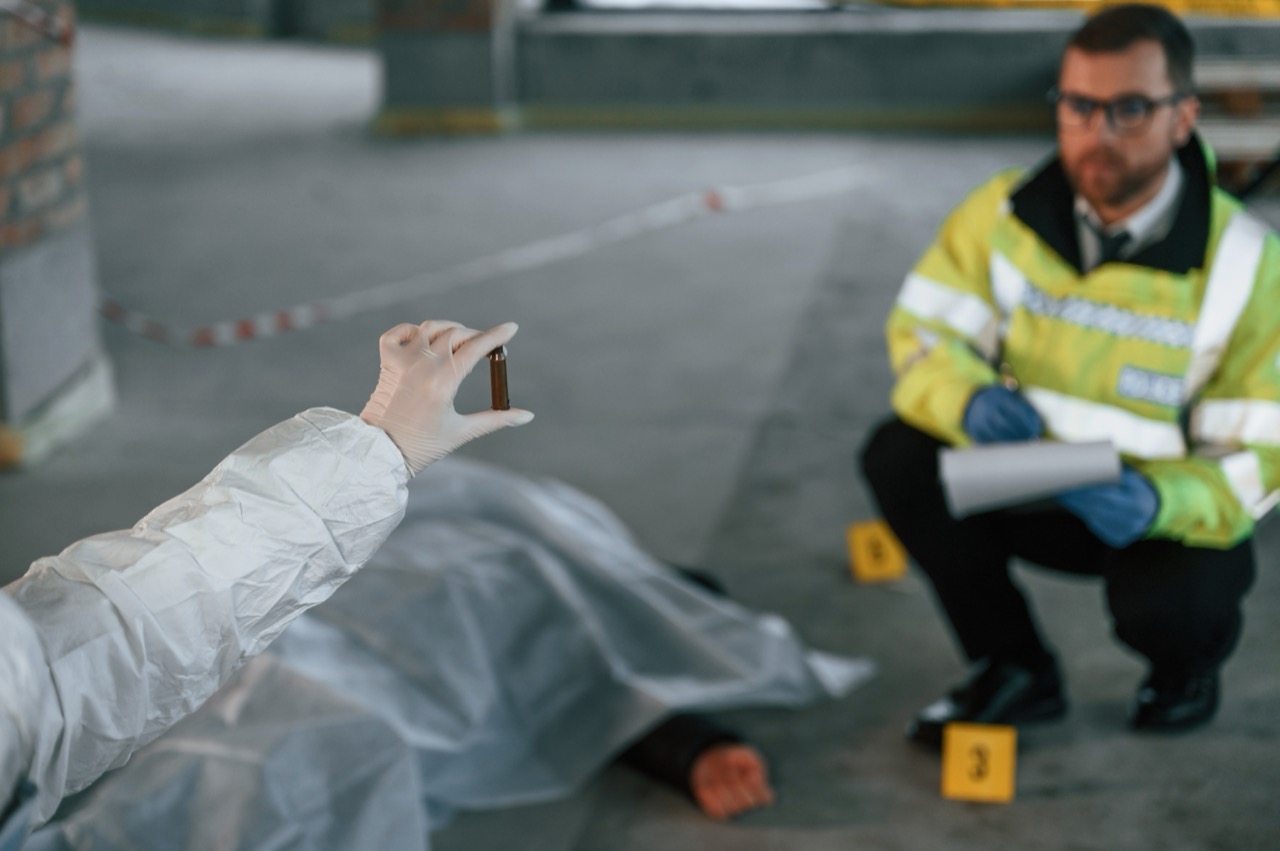
After an accident near or on a military installation, evidence can disappear fast. Surveillance footage gets overwritten. Physical conditions change. Witnesses get deployed or transferred. And if the accident happened on or near Camp Pendleton, a civilian attorney without military connections may not be able to access the scene at all. At the Law Office of William Bruzzo, our Orange County personal injury lawyer knows how military base access works and how to pursue evidence when standard routes are blocked. If you suffered an injury near a military installation, call us before the evidence is gone.
What Types of Evidence Are Critical After a Military-Adjacent Accident?
In any personal injury case, evidence is everything. For accidents near military bases, the most critical evidence typically includes:
- Surveillance footage from installation cameras or entry control points
- Photographs of the accident scene before conditions are altered or repaired
- Witness statements from military personnel or civilians who were present
- Military incident or police reports generated by base security
- Records documenting road conditions, equipment status, or maintenance history
Many of these sources are unique to the military environment and require specific legal tools to access. A standard demand letter to a civilian insurance company will not unlock military records or compel a base to provide surveillance footage. Knowing which tools to use and how quickly to deploy them is what separates a case with a full evidentiary record from one that settles for less than it should.
Why Base Access Restrictions Create a Unique Problem for Injury Victims
Military installations like Camp Pendleton operate under strict access control. Entry requires a valid military ID, a registered visitor pass, or an official purpose. Civilian investigators, accident reconstruction professionals, and even attorneys generally cannot access a base without advance authorization, and that authorization is not guaranteed or automatic.
This creates a window of vulnerability for accident victims. While the legal process of requesting access moves slowly, time-sensitive evidence on the base may be altered or lost entirely. Road conditions get repaired. Surveillance footage reaches its retention limit and gets overwritten. Witnesses rotate out to other bases or deploy overseas.
The problem is compounded when the accident itself occurred on the base. Jurisdictional questions arise, the chain of custody for evidence follows military protocols rather than civilian ones, and the normal methods of gathering information simply do not apply. Even the question of which authority, civilian law enforcement or base security, controls the incident report can affect how accessible that documentation will be later.
How Military Background Changes Evidence Strategy
Will Bruzzo’s background as a former Marine Corps Major gives our team a working knowledge of how military installations operate, how documentation is created and stored, and who the right points of contact are when evidence needs to be preserved. That institutional knowledge matters in a military personal injury case in ways that no legal manual can replicate.
For accidents involving civilian defendants, base access limitations often affect the plaintiff more than the defense. Acting quickly, issuing litigation holds, and formally requesting evidence preservation as early as possible puts the responsible party on notice that spoliation of evidence will have consequences. California courts take evidence destruction seriously, and documenting your preservation requests protects your case if key evidence later disappears.
When direct access to the installation is not available, our team pursues parallel channels. Public records requests, FOIA filings, coordination with the service member’s unit, and civil subpoenas directed at federal entities are all tools that can recover what standard civilian discovery methods cannot reach.
Why Timing Matters When Preserving Evidence After a Military‑Adjacent Accident
The timing of these requests matters as much as the requests themselves. Most surveillance systems overwrite footage on a rolling 30-to-90-day cycle. Base security incident reports may be archived or transferred to command-level files after a set period. Road and equipment maintenance logs follow their own retention schedules. Submitting preservation demands within days of the accident, rather than weeks or months later, dramatically increases the amount of usable evidence that survives into litigation.
The Role of FOIA Requests and Military Records in Your Injury Claim
The Freedom of Information Act (5 U.S.C. § 552) allows members of the public to request certain federal records, including some military documents related to accidents, investigations, and incidents. FOIA requests can be a valuable tool, but response timelines can stretch from weeks to months, records may be withheld under national security or law enforcement exemptions, and the request must be precisely framed to avoid delays.
In litigation, subpoenas can also be used to compel the production of military records. Combining FOIA requests, litigation subpoenas, and direct coordination with military commands gives your case the best chance of capturing the full evidentiary picture. In military-adjacent cases, compelling military witnesses to testify in personal injury proceedings requires a different legal approach than civilian witness subpoenas.
One area where FOIA requests prove especially useful is in obtaining maintenance and inspection logs for roads or facilities on or adjacent to the base. If a road defect or poorly maintained area contributed to the accident, those records can establish that the responsible party knew about the hazard before you suffered an injury. Getting that documentation early, before it is routinely destroyed or archived, is critical to the strength of your claim.
Under California Code of Civil Procedure Section 335.1, you have two years from the date of your injury to file. Do not wait.
Preserve Military Base Evidence Before It’s Lost
In military-adjacent accident cases, acting fast is the difference between a strong case and a weak one. At the Law Office of William Bruzzo, our Orange County personal injury lawyer combines civil litigation experience with a genuine understanding of how military systems work. We represent clients on a contingency fee basis, so there are no upfront legal fees or costs.
Contact us online for a free consultation. Our personal injury attorney will assess your situation, take immediate steps to preserve available evidence, and pursue full compensation for your injuries and losses. Call us at 760-307-4233. El Abogado Habla Español.