Understanding The Federal Tort Claims Act For On-Base Accidents


If you are hurt on a military base in Southern California, your first question is usually simple: who is responsible? The answer is not always straightforward. On-base accidents can involve federal employees, private contractors, or other drivers who happen to be on base. And the claim process can look very different from a typical injury case.
At the Law Office of William Bruzzo, we help service members and military families make sense of on-base injury claims, including when the Federal Tort Claims Act (FTCA) may apply. If you are looking for an Orange County personal injury lawyer, our team can help you understand what matters early, avoid deadline mistakes, and protect the evidence that supports your claim. If you are not sure what rules control your situation, getting clarity early can protect your rights and your timeline.
What The Federal Tort Claims Act Is
The FTCA is a federal law that allows certain injury claims to be brought against the United States when a federal employee’s negligence causes harm. Instead of filing a normal lawsuit right away, many cases start with an administrative claim submitted to the appropriate federal agency. This step is required, and it often involves specific forms, strict deadlines, and detailed documentation of what happened and what losses you suffered.
In military injury cases, rights and options can depend on duty status and where the incident occurred, which is why military personal injury rights are often discussed differently than standard civilian claims.
On-Base Accidents That Commonly Raise FTCA Issues
Not every on-base injury is an FTCA claim, but it often comes up in situations like these:
- On-base vehicle crashes involving government vehicles or negligent driving by federal employees
- Unsafe property conditions such as broken stairs, poor lighting, potholes, or poorly maintained walkways
- Injuries at base facilities like gyms, MWR areas, or public spaces maintained by federal personnel
- Hazards created by base maintenance activity, such as unsafe work zones
These cases can feel confusing because more than one party may be involved. A contractor might be responsible for maintenance, but a federal agency may control the property. A civilian driver may cause a crash, but the collision happens in a federal setting with different reporting and record systems. The key issue is usually who controlled the hazard and who had the duty to fix it.
How Service Member Status Can Affect The Claim Path
Status can matter, but the right answer depends on where and how the injury happened. Dependents and many civilians can pursue FTCA claims for injuries tied to negligence by federal employees. Service members can face added limits in certain circumstances, especially when an injury is closely tied to military service activities. That is why we start by sorting out the facts and identifying the correct claim path, so you do not lose time on the wrong process.
The FTCA Process For On-Base Accidents
FTCA claims typically begin with an administrative filing, not a lawsuit.
Start With An Administrative Claim
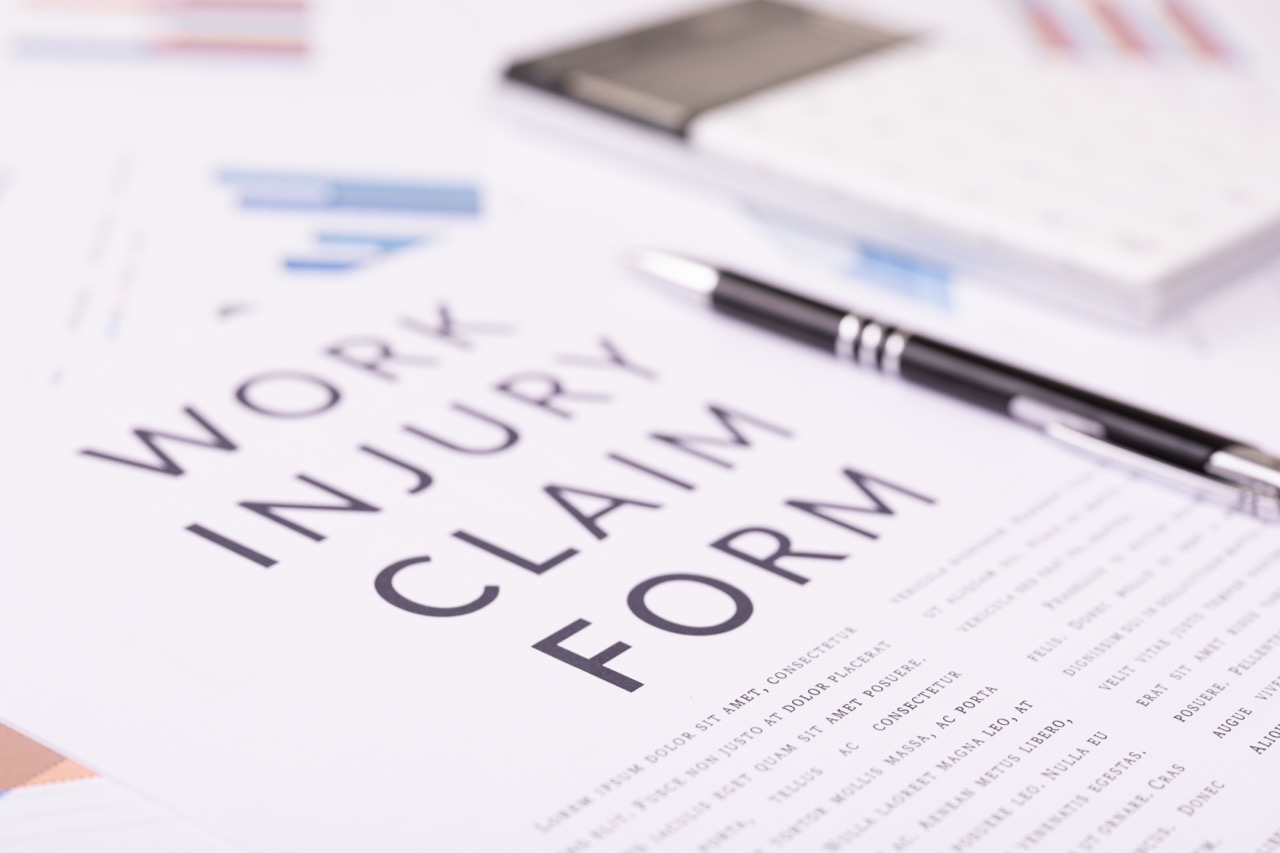
You generally begin by submitting an administrative claim to the appropriate federal agency, often using Standard Form 95. The DOJ’s forms page covers SF-95 and the administrative claim process. Standard Form 95 (SF-95) Guidance. A key requirement is including a specific dollar amount demand, sometimes called a “sum certain.”
Treat Timing Like A Case-Ending Issue
FTCA claims can involve strict time rules, and missing a deadline can end the claim before it starts. Even when the incident is reported on base, that report does not automatically replace the administrative claim requirement.
Expect An Agency Review Phase
After the claim is presented, the agency may accept it, deny it, or request additional information. If the claim is denied or the agency does not act within the required window, the next step may involve federal court with its own filing rules.
Evidence That Makes On-Base Claims Stronger
Evidence is often easier to preserve than people expect, but only if someone moves early. Depending on the accident, strong proof often includes:
- Base incident reports or base police reports
- Photos of the hazard, the scene, lighting, signs, and warnings
- Medical records tying the injuries to the incident
- Names and contact information for witnesses
- Maintenance records or prior complaints (for premises hazards)
- Any video footage from nearby facilities or gate areas
A common trap is assuming that because an injury happened on base, the government will automatically preserve everything. Video can be overwritten. Maintenance history can be difficult to obtain. Witnesses can be reassigned or move.
When the injury involves unsafe conditions in housing or common areas, the same negligence proof issues often come up, including documentation of notice and repair history in on-base housing injury claims.
Contractor Hazards And Why Liability Can Shift
On-base hazards are not always created by federal employees. When a private contractor causes a dangerous condition, liability can shift, and the best claim strategy may change. That is why identifying who controlled the work and who had the duty to keep the area safe is not just a technical detail. It shapes what deadlines apply, what coverage exists, and what evidence needs to be secured quickly.
Common Problems That Can Weaken An FTCA Claim
These issues come up often and can undercut the claim:
- Filing late because someone assumed on-base claims use standard personal injury deadlines
- Naming the wrong agency or sending paperwork to the wrong place
- Leaving out required claim elements, including a specific damages demand
- Giving recorded statements too early without understanding what facts matter most
- Waiting too long to preserve video and maintenance history
For service members in reserve categories, the documentation and scheduling realities can look different in active reserve injury claims.
Talk With A Military Injury Attorney About An On-Base Accident
If you suffered an injury on base, you should not have to guess whether the FTCA applies, which agency is responsible, or what deadline controls your claim. Contact us online for a free consultation.
At the Law Office of William Bruzzo, our team will identify the correct claim path, gather the records that matter before they disappear, and build a compensation demand that reflects the full impact of your injuries. If you are looking for an Orange County personal injury lawyer, we are ready to help you take the next step.