
Off-Duty Injuries: Legal Rights for Service Members


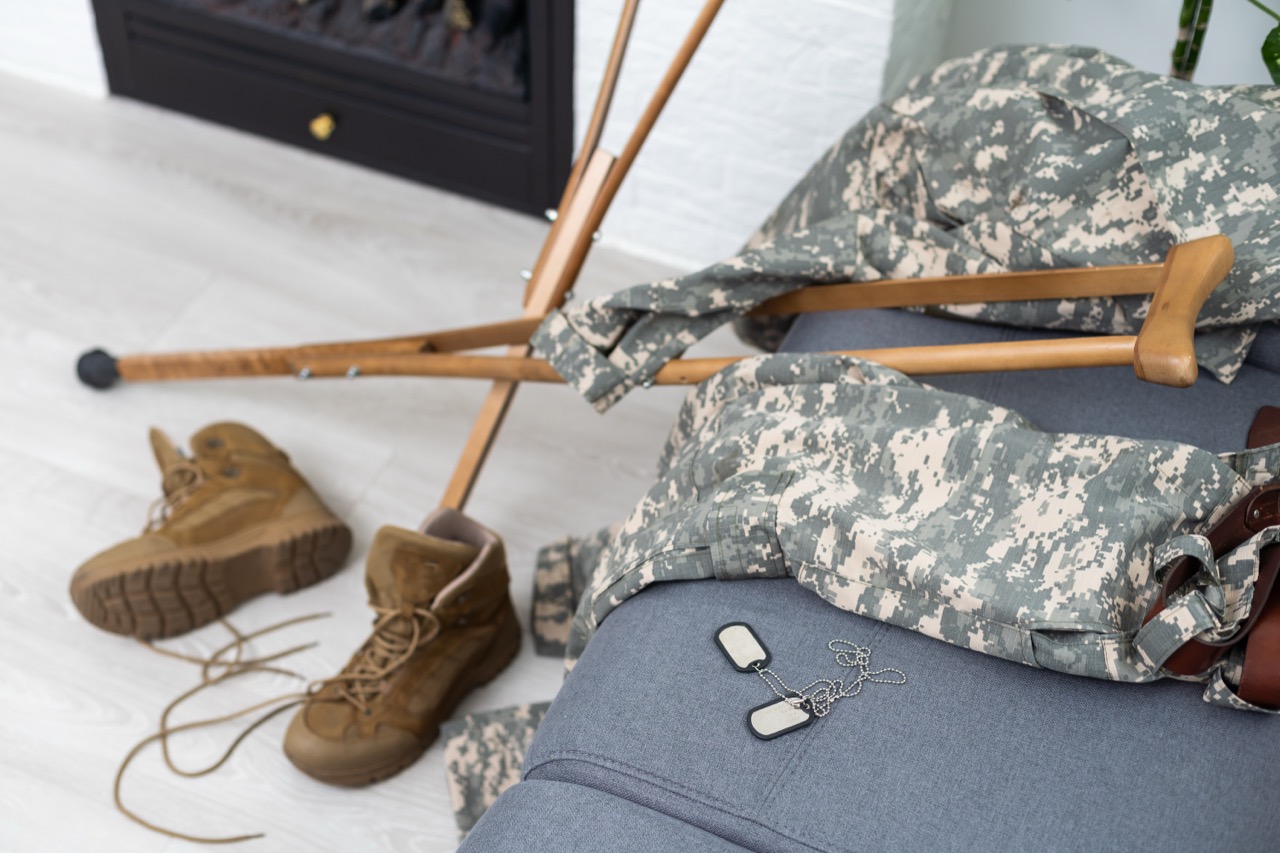
If you’ve been hurt while off-duty and you’re in the military, or if you’re a civilian connected to someone who is, you might wonder about your rights to seek compensation. At the Law Office of William Bruzzo, we’ve helped people in this situation for more than 30 years.
As a former Major in the U.S. Marine Corps Reserve, we get how confusing the rules can be. Our Orange County personal injury lawyer team in Orange County has won millions in settlements for service members injured due to someone else’s carelessness outside of work hours. These cases have special challenges, but we’re here to break it down simply.
What the Feres Doctrine Means for Active-Duty Injury Claims
The Feres Doctrine, established in Feres v. United States (1950), prevents active duty service members from suing the federal government for injuries “incident to service.” This Supreme Court decision has blocked military claims for over 75 years.
The doctrine rests on three rationales: maintaining military discipline (lawsuits could undermine chain of command), preventing varying state laws from governing military matters, and recognizing veterans’ benefits provide alternative compensation. Critics argue these rationales are outdated, but Congress has declined to change the law despite 75 years of reform proposals.
According to Cornell Law School Legal Information Institute, “incident to service” has been interpreted broadly. In recent Supreme Court dissents, Justice Clarence Thomas called Feres “indefensible as a matter of law, and senseless as a matter of policy.”
The Real Cost of Fighting Feres Doctrine in Military Injury Claims
Before filing lawsuits involving potential Feres questions, understand the costs. Litigating whether Feres applies can cost $15,000-$50,000 in legal fees just to get past the motion to dismiss. If the court rules Feres bars your claim, your case gets dismissed with zero recovery.
Circuit courts split on when Feres applies to borderline situations, creating geographic lottery. A Marine injured in an on-base car accident might win in one circuit but lose in another with identical facts.
How to Check If Your Situation Qualifies
To see if you can move forward, ask yourself these questions:
- Were you on vacation or time off?
- Did it happen away from the military base?
- Was the person at fault a regular civilian, not the government?
- Was the injury completely unrelated to your job duties or training?
If the answer is yes to all, you likely have a strong case, and one that a skilled Orange County personal injury attorney can pursue without Feres blocking it. If you answered no to any, the case may still be possible, but expect a tougher legal battle.
When Off-Duty Injuries Truly Qualify for Civilian Lawsuits
Not every injury in the military is off-limits for lawsuits. The key is if it was truly personal and not tied to your service. A 1949 case, Brooks v. United States, said service members can sue if the harm is outside their duties.
For instance:
- If a civilian driver hits you while you’re out shopping on your day off, you can sue that driver.
- If a contractor messes up work at your home off base and you get hurt, you can go after them.
- If a faulty product injures you during free time, the company can be held responsible.
The main thing to check: Was it caused by military work, gear, or government workers on the job? Or was it just bad luck from a civilian’s mistake during your personal time?
Gray Areas: Off-Duty vs. Incident-to-Service Injuries Explained
Many injuries fall into uncertain territory. A Marine from Camp Pendleton injured in an on-base car accident while driving to the commissary might be barred even though shopping is personal. Courts examine where injury occurred, what you were doing, whether military duties were involved, and your duty status.
In Beck v. United States (2025), the Supreme Court denied review of an off-duty on-base car accident case. Circuit courts split on whether such accidents are incident to service, creating inconsistent results. Understanding whether your situation qualifies for what are your legal options if you’re in an off-duty accident becomes critical before pursuing costly litigation.
Military Injury Claim Timeline
Fighting Feres applicability takes 18-36 months just to get a ruling. You’re accumulating legal bills with no guarantee of success. If the court rules Feres applies, your case ends with zero recovery. Courts have applied Feres to sexual assault cases and recreational activities using military equipment.
Claims You Can Always Pursue Against Civilian Defendants
Regardless of Feres complications, you always have rights against civilian defendants. When drunk drivers, negligent businesses, or defective products harm service members during off-duty hours, California personal injury law provides full recovery rights.
Your military career damages multiply the stakes, though proving these losses requires substantial evidence. Lost promotions, medical discharges, and inability to meet physical fitness requirements create losses exceeding $2 million. Proving this requires an experienced Orange County personal injury attorney who understands military career trajectories.
2020 NDAA Medical Malpractice Exception for Service Members
The National Defense Authorization Act for Fiscal Year 2020 created a limited exception allowing service members to file administrative claims for medical malpractice by military healthcare providers. This doesn’t overturn Feres but provides administrative remedy.
These claims typically result in smaller recoveries than civil lawsuits and face strict two-year filing deadlines for malpractice occurring since 2017.
How to Prove Your Injury Was Not “Incident to Service”
When government attorneys invoke Feres, we prove your injury occurred during personal activities. We gather leave papers, witness statements, civilian location documentation, and command statements about off-duty status.
Courts examine where injury occurred, what you were doing, whether military duties were involved, and duty status. Even personal activities can be deemed incident to service if occurring on base.
Speak With an Orange County Personal Injury Attorney Who Understands Military Life
Civilian attorneys misunderstand Feres Doctrine, either incorrectly telling service members they have no rights or filing doomed lawsuits without understanding the doctrine’s scope.
As a former Marine Corps Major, we understand when Feres applies and when it doesn’t. We calculate military career damages accurately rather than treating service members like civilian plaintiffs. Our Orange County personal injury lawyer team fights to protect your career, your benefits, and your future.
If you’ve been injured during off-duty hours in Orange County, we determine whether you have viable claims. Call 760-307-4233 or contact us online. Free consultations, no fee unless we recover money for you.