Golf Cart Injury Claims in Orange County Retirement Communities


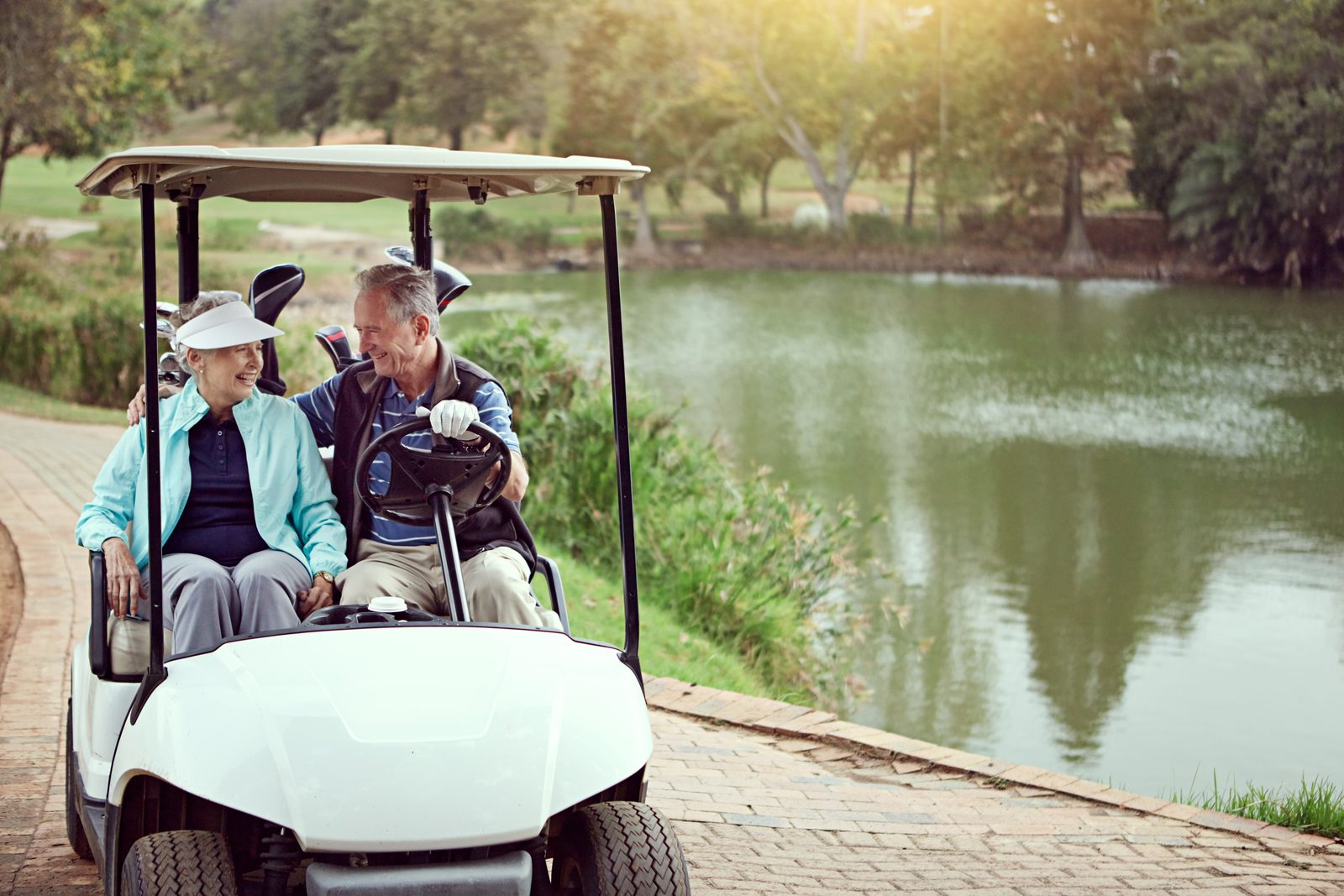
In many of Orange County’s 55-and-over communities, golf carts are not just for the course. They are how residents get to the store, to a neighbor’s home, and to dinner. In a place like Laguna Woods Village, carts share roads with cars every day. When one of those trips ends in an injury, the questions that follow are more complicated than they look.
An Orange County Personal Injury Lawyer can help you work through them. Many residents of these communities are military retirees and veterans, and the Law Office of William Bruzzo focuses on representing military members, including active-duty service members, reservists, retirees, and their family members, while also serving clients with no military connection.
What Counts as a “Golf Cart” in California, and How Is It Different From an LSV?
The label matters more than you would expect. Under Vehicle Code Section 345, a golf cart is a low-powered vehicle that carries golf equipment and up to two people, does not exceed 15 miles per hour, and weighs under 1,300 pounds unladen.
A low-speed vehicle, or LSV, is different. Under Vehicle Code Section 385.5, an LSV is a four-wheeled vehicle capable of 20 to 25 miles per hour. Many “golf carts” in retirement communities are actually LSVs, or have been modified into them, and an LSV generally must be registered and insured like a car. That classification changes where the vehicle may legally be driven, including on the combined-use roads that a local authority can designate under Vehicle Code Section 21115.
Who Is Liable When a Golf Cart Injures Someone in a Retirement Community?
Often more than one party. California’s basic duty of ordinary care comes from Civil Code Section 1714, and fault is divided under the state’s comparative negligence rule. Depending on the facts, responsibility can fall on:
- The cart driver, for negligent operation.
- Another vehicle on a shared road.
- The cart’s owner, or a host who handed the keys to someone unfit to drive.
- The community, HOA, or property manager, for unsafe conditions.
The older-driver reality of these communities is context, not blame. Most residents drive carefully every day, and the point is simply that fault has to be sorted out on the specific facts.
Can the Community or HOA Be Responsible? (Premises Liability)
Sometimes. A community or HOA has a duty to keep its shared areas reasonably safe. When a golf cart crash traces back to a poorly designed path, missing signage, a blind corner, inadequate lighting, or a badly maintained community-owned cart, that duty under Civil Code Section 1714 can put the community itself in the picture. The same premises-liability principles that apply to a privatized military housing community apply to a private retirement community.
These claims take investigation. Maintenance records, prior complaints, and the physical layout of the roadway or path all help show whether the property was kept reasonably safe.
Photographs of the location, taken soon after the crash, can be valuable here. Signage, lighting, and sightlines can change over time, and a clear record of the conditions at the moment of the crash is hard to recreate later.
Why Golf Cart Passengers and Pedestrians Get Seriously Hurt
Golf carts are open by design. They have no seatbelts, no doors, and no crash protection, and passengers can be thrown from the cart in a sudden turn or collision. For older adults, a fall or ejection that a younger person might walk away from can mean a fractured hip or a long hospital stay.
Pedestrians are vulnerable too. A cart moving even at low speed can cause serious harm to someone on foot, and those cases usually come down to straightforward questions of negligence and right of way.
Because these injuries can look minor at first, it is worth taking them seriously. Swelling, dizziness, or pain that develops over the next day can signal a fracture or a head injury, and prompt medical care both protects your health and documents the connection between the crash and your injuries. For a retired service member, a new injury layered on an existing condition can also raise questions about how a service-connected disability rating interacts with a civilian injury claim.
The Insurance Surprise: Why Standard Auto Policies May Not Cover a Golf Cart
This is where many families get blindsided. A standard auto policy generally does not cover a golf cart. A homeowners policy may cover one only narrowly, often on the resident’s own property, sometimes with a low sub-limit and no coverage once the cart leaves the premises.
That can leave a real gap. Recovery may depend on finding the right policy, whether that is a stand-alone golf-cart policy, a homeowners endorsement, the community or HOA’s liability coverage, or the insurance on a properly registered LSV. The claim often turns on locating coverage as much as on proving fault.
It also pays to identify how the specific cart was classified and insured. A cart that was quietly upgraded to reach higher speeds may legally be a low-speed vehicle that was supposed to be registered and insured, and that gap can matter a great deal when the bills come due. And the deadline still applies: under Code of Civil Procedure Section 335.1, you generally have two years to file. Insurers know these gaps well, so it helps to have someone reading the policies as closely as they do.
Talk With an Orange County Personal Injury Lawyer About Your Golf Cart Claim
The Law Office of William Bruzzo has represented military members, including retirees and veterans, and their families, along with other injured people, across Southern California for over 30 years. Led by a former Major in the Marine Corps Reserve, our team can investigate how the crash happened, identify every party who may share fault, and track down the coverage that actually applies.
Contact us online for a free consultation. We work on a contingency basis, so you pay nothing unless we recover for you. Call us at 760-307-4233. El Abogado Habla Español.