Can a Service Member’s Chain of Command Be Subpoenaed in a Personal Injury Case


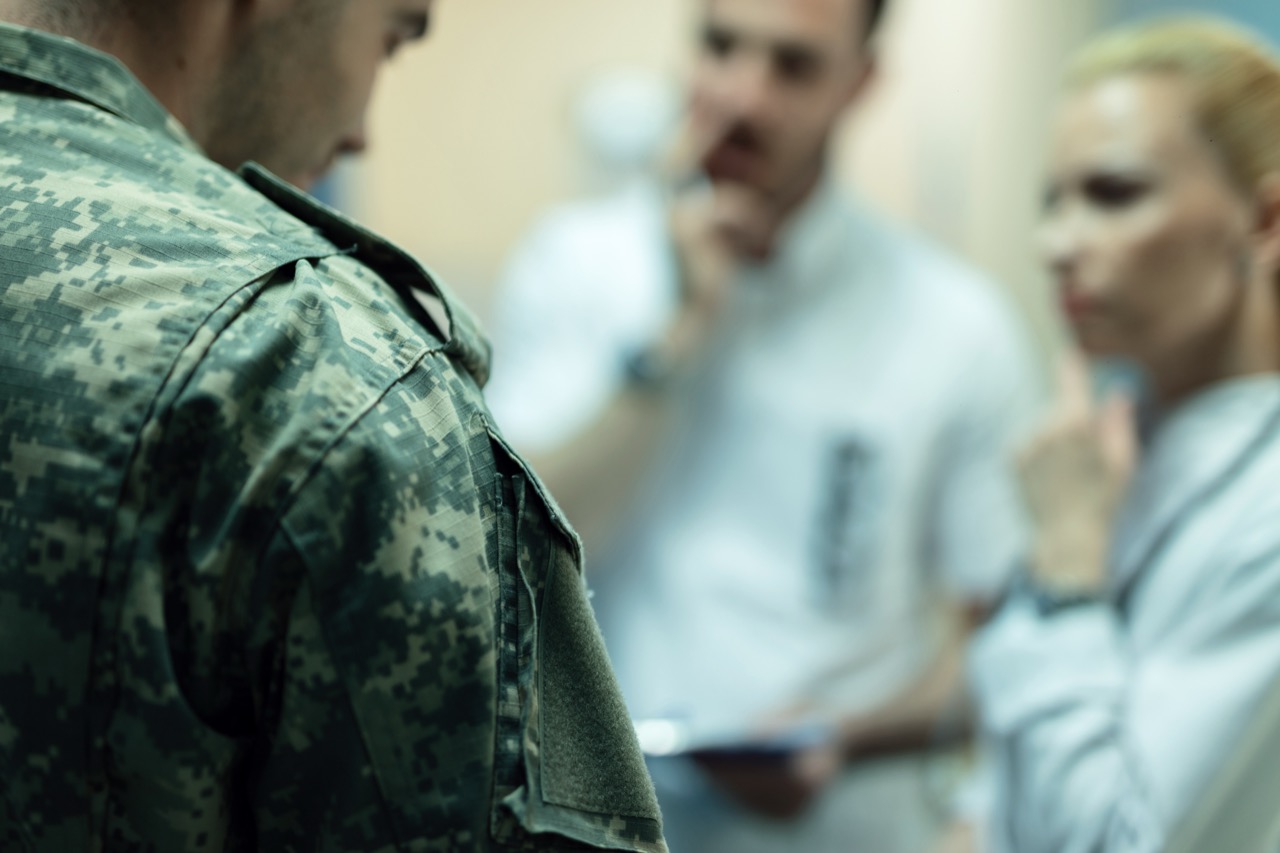
When a service member stationed at Camp Pendleton is injured in an accident, key witnesses to the crash or its aftermath may include fellow Marines, commanding officers, or other military personnel. At the Law Office of William Bruzzo, our Orange County personal injury attorney team has helped injured service members and their families gather the evidence they need to build strong claims, including testimony from military witnesses. But getting that testimony is not always straightforward.
California law allows parties in a personal injury lawsuit to subpoena witnesses for depositions and trial testimony. However, when those witnesses are active-duty military personnel testifying about official duties, the process involves an additional layer of federal regulation that many civilian lawyers overlook. An injury attorney who understands both state subpoena rules and federal military procedures can prevent costly missteps early in your case.
What Is the Touhy Regulation and How Does It Apply?
Federal law restricts when and how Department of Defense personnel can testify in civilian court proceedings. Under 32 C.F.R. Part 97, known as the Touhy regulation, a personal injury lawyer cannot simply serve a subpoena on a Marine or sailor and expect them to appear at a deposition. The attorney must submit a formal written request through the appropriate military legal office. The request must include a summary of the case facts, a detailed description of the testimony being sought, and confirmation that the requesting party will cover all costs. Incomplete or poorly framed requests are routinely denied, which is why having an attorney familiar with military legal requirements handle this process from the start can save weeks of unnecessary delay.
The DoD updated these rules through a single department-level regulation in 2022, streamlining the process so that the same core requirements now apply whether you need testimony from a Marine at Camp Pendleton, a sailor at a Southern California naval installation, or a soldier at a nearby base. Each branch still maintains its own implementing procedures under Part 97, but the basic submission process is now uniform across the Department of Defense.
How Do Navy and Marine Corps Touhy Requests Work?
For Navy and Marine Corps personnel, Touhy requests go through the Office of the General Counsel of the Navy at the Washington Navy Yard. The military’s legal office decides whether the testimony will be permitted based on the relevance of the information, potential impact on military operations, and whether the testimony could appear to favor one side in private litigation.
A commanding officer who witnessed a car accident near the base’s main gate, or a first sergeant who can speak to how an injury affected a Marine’s duty performance, cannot simply be called to the stand without this approval. Understanding how military ranks affect witness testimony is an important part of building a strong case. An experienced personal injury attorney who knows military procedures can prepare and submit these requests properly to avoid delays that could stall your case for months.
What Types of Testimony Can Military Personnel Provide?
The Touhy regulation draws an important line between factual testimony and opinion testimony. A military witness who personally saw the accident or treated the injured service member can generally testify about those firsthand observations. Under 32 C.F.R. Part 725, treating physicians at military medical facilities who testify about personal knowledge of a patient’s case are classified as fact witnesses rather than opinion witnesses.
Opinion testimony faces greater scrutiny. The military generally prohibits its personnel from speculating about causation or liability, forming opinions based on hypotheticals submitted by counsel, or adopting the findings of other investigators. Choosing the right witnesses for military-specific injury cases requires an attorney who can frame requests carefully to stay within what the military will approve.
Can Chain of Command Witnesses Testify About Career Damages?
Yes, and this testimony can significantly increase your claim’s value. A platoon leader or company commander can confirm that injuries changed a Marine’s fitness for duty rating, led to lost promotions, reassignment to light duty, or forced separation from service. These career-related damages go beyond standard medical records and often represent the largest portion of a military plaintiff’s compensation.
For example, if a Marine who was tracking for a competitive reenlistment or promotion board can no longer pass the Physical Fitness Test because of accident injuries, that lost career trajectory has a measurable financial value. A first sergeant or officer who supervised the injured Marine and can describe the before-and-after change in their performance provides testimony that insurance adjusters and juries find compelling. Securing this testimony early, before a supervisor transfers to a new duty station or deploys overseas, is one of the most important steps your attorney can take to protect the full value of your claim.
What Scheduling Challenges Come With Military Witnesses?
Even after the Touhy process is complete, scheduling remains difficult. Active-duty personnel may be deployed, transferred, or assigned to training exercises that conflict with court dates. California Code of Civil Procedure Section 2020.220 requires that subpoenas be served with enough advance notice for the witness to comply, and military witnesses typically need more lead time than civilians.
Video depositions have become a practical solution, allowing military witnesses to testify remotely without requesting leave or travel authorization. California courts have been increasingly willing to accommodate remote testimony when in-person attendance would impose an undue burden on the witness.
Talk to an Orange County Personal Injury Attorney About Your Military Injury Case
Were you or a family member hurt in an accident near Camp Pendleton? Military witness testimony could be the missing piece that strengthens your personal injury case. The Law Office of William Bruzzo has the experience to navigate the military legal system and secure the evidence you need to support your claim.
Our Orange County personal injury lawyer will track down the right witnesses, coordinate with military legal offices to gather their testimony, and fight to get you full compensation for your injuries and any career losses you’ve suffered. Contact us online for a free consultation, reach out today and let us build the case you deserve.